
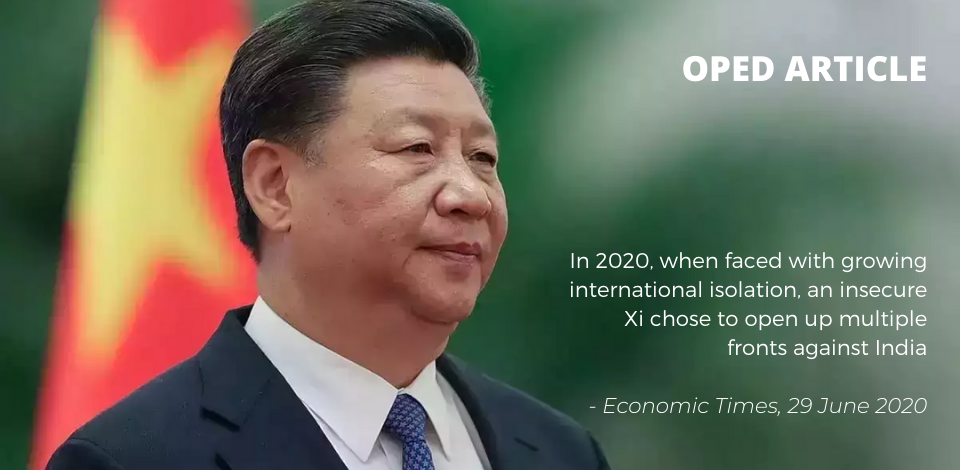
In 2012, upon becoming general secretary of the Chinese Communist Party, Xi announced a new goal: ‘qiang zhongguo meng’ — strong nation’s dream. It was the Chinese dream to be at the centre of earth, or ‘tianxia’. Over the years, Xi embarked on his goal of achieving greatness for China by 2049 —a hundred years after the State was founded by Mao Zedong — through territorial and economic domination.
After the calmer years of Hu Jintao, the world had started to see in Xi shades of another autocrat: Mao. Xi’s father was a senior party official during Mao’s time who was charged with disloyalty and banished to hard labour. Growing up, Xi’s belief was strengthened by his father’s experiences. To him, seizing control was the only way to ensure security.
In 2013, one of his first acts in power was to issue a memo called Document 9. This warned rebels and western elements of sabotaging China’s ideology. Soon, party websites were hounding people in China, naming them as threats. Those were the first signs the country was slipping back to Mao mode.


